
Item No.: 88473

Manufacturer: Denix
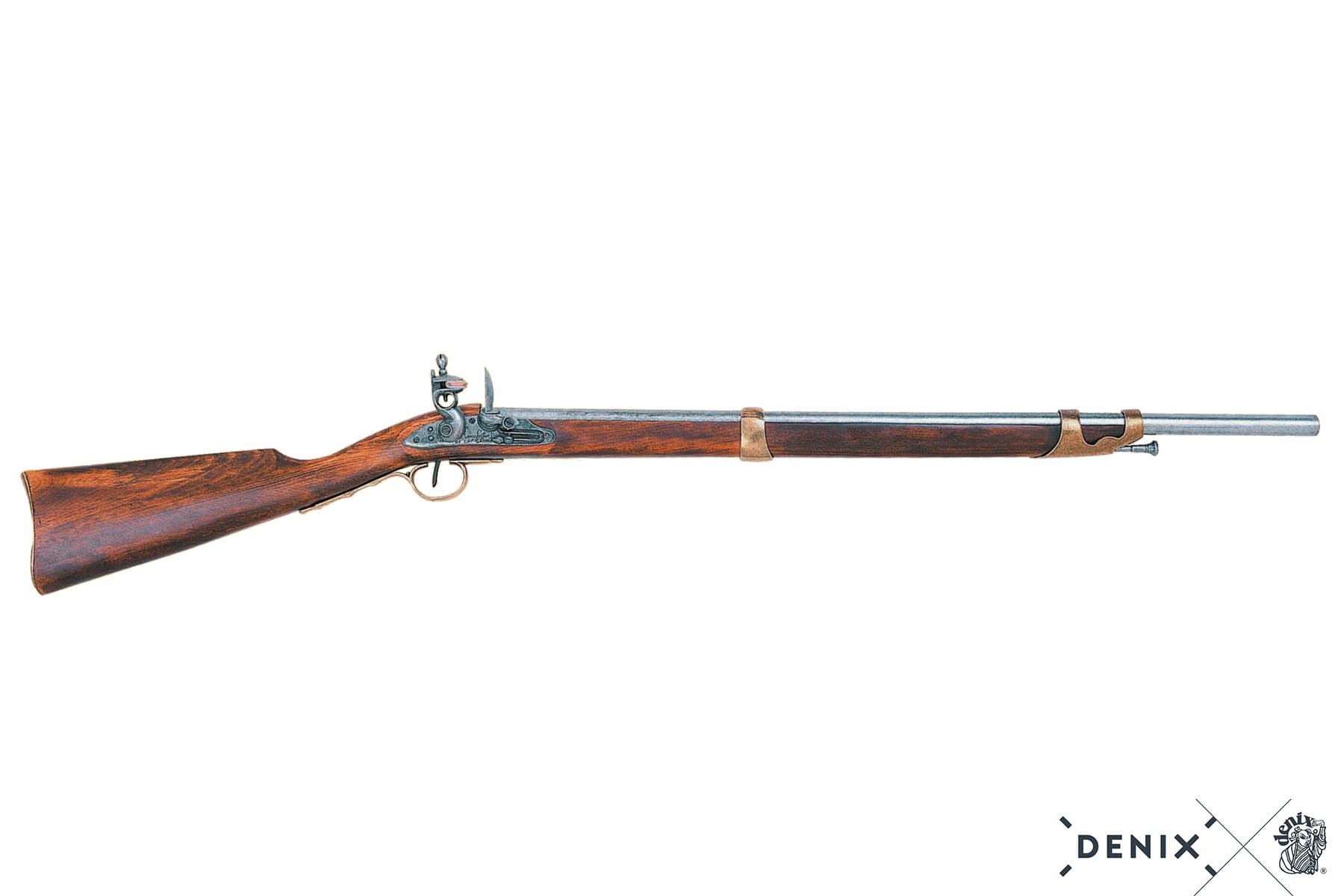
French carbine / Flintlock Napol.-Period 1806
No reviews
182,90 €
incl. 19% VAT, plus
⭐ You receive 183 bonus points for this order
Item is in field warehouse.
Reproduction of flintlock carbine of the Napoleonic period, made of metal and wood with simulated mechanism of loading and firing.
The flintlock carbines had the blistering of a flint or flint stone, which when the hammer was triggered, it produced the spark that ignited the gun powder. These types of weapons required the manual recharge of their ammunition after each shot. The ammunition, which was introduced through the mouth of the barrel, consisted of gunpowder, projectile and paper wad, which served as a cap to keep the two previous ones compressed inside the barrel.
The carbines could be more precise than the pistols and gave a longer effective reach. However, the sequence of loading and firing was complex, so during the training recruits were required to repeat these movements until they could be performed instinctively amidst the tension and confusion of combat. In theory, a well-trained soldier could shoot five times per minute, but in normal combat it was a rate of two or three shots per minute or less if the confrontation lasted.
The trajectory of the bullet was imprecise and during the combat it was impossible to aim well. The only way to ensure certain efficiency was by grouping a high density of weapons on a reduced front, firing in as close as possible to the lowest possible distance. Even so, on many occasions, the fighters after shooting were forced to use the bayonet.
Napoleon Bonaparte (1769-1821), Emperor of France between 1804 and 1815, consolidated and instituted many of the reforms of the French Revolution. He is considered one of the greatest military geniuses in history and conqueror of the greater part of Europe. He commanded campaigns very successful warfare, although with certain similar defeats. His aggressive conquest wars became the largest military operations known until that moment in Europe, involving a number of soldiers never seen in the armies of that time.
Feel to be protagonist of these Napoleonic conquests of the early 19th century with the DENIX reproduction of this carbine!
Dimensions: 113 cm
Weight: 1,850 g
Epoch: Historical Weapons XVI-XIX C.
Type Collectible: Rifles & carbines
The flintlock carbines had the blistering of a flint or flint stone, which when the hammer was triggered, it produced the spark that ignited the gun powder. These types of weapons required the manual recharge of their ammunition after each shot. The ammunition, which was introduced through the mouth of the barrel, consisted of gunpowder, projectile and paper wad, which served as a cap to keep the two previous ones compressed inside the barrel.
The carbines could be more precise than the pistols and gave a longer effective reach. However, the sequence of loading and firing was complex, so during the training recruits were required to repeat these movements until they could be performed instinctively amidst the tension and confusion of combat. In theory, a well-trained soldier could shoot five times per minute, but in normal combat it was a rate of two or three shots per minute or less if the confrontation lasted.
The trajectory of the bullet was imprecise and during the combat it was impossible to aim well. The only way to ensure certain efficiency was by grouping a high density of weapons on a reduced front, firing in as close as possible to the lowest possible distance. Even so, on many occasions, the fighters after shooting were forced to use the bayonet.
Napoleon Bonaparte (1769-1821), Emperor of France between 1804 and 1815, consolidated and instituted many of the reforms of the French Revolution. He is considered one of the greatest military geniuses in history and conqueror of the greater part of Europe. He commanded campaigns very successful warfare, although with certain similar defeats. His aggressive conquest wars became the largest military operations known until that moment in Europe, involving a number of soldiers never seen in the armies of that time.
Feel to be protagonist of these Napoleonic conquests of the early 19th century with the DENIX reproduction of this carbine!
Dimensions: 113 cm
Weight: 1,850 g
Epoch: Historical Weapons XVI-XIX C.
Type Collectible: Rifles & carbines
- Item No.
- 88473
- Manufacturer
- Denix
- EAN
- 8435089710373
- Weight
- 1.9 kg
- Delivery time
- Item is in field warehouse.
Shipping costs
| Country | Order value under €50 | Order value from €50 |
|---|---|---|
| 🇩🇪Germany | 6,00 € | 8,00 € |
| 🇦🇹Austria | 10,00 € | 12,00 € |
| 🇨🇭Switzerland | 10,00 € | 12,00 € |
| 🇧🇪Belgium | 8,00 € | 11,00 € |
| 🇧🇬Bulgaria | 15,00 € | 50,00 € |
| 🇩🇰Denmark | 10,00 € | 12,00 € |
| 🇪🇪Estonia | 22,00 € | 25,00 € |
| 🇫🇮Finland | 12,00 € | 27,00 € |
| 🇫🇷France | 14,00 € | 17,00 € |
| 🇬🇷Greece | 10,00 € | 35,00 € |
| 🇮🇪Ireland | 12,00 € | 25,00 € |
| 🇮🇹Italy | 10,00 € | 17,00 € |
| 🇭🇷Croatia | 10,00 € | 50,00 € |
| 🇱🇻Latvia | 10,00 € | 25,00 € |
| 🇱🇮Liechtenstein | 10,00 € | 25,00 € |
| 🇱🇹Lithuania | 10,00 € | 25,00 € |
| 🇱🇺Luxembourg | 10,00 € | 12,00 € |
| 🇲🇹Malta | 10,00 € | 50,00 € |
| 🇳🇱Netherlands | 8,00 € | 10,00 € |
| 🇳🇴Norway | 10,00 € | 27,00 € |
| 🇵🇱Poland | 12,00 € | 20,00 € |
| 🇵🇹Portugal | 10,00 € | 25,00 € |
| 🇷🇴Romania | 10,00 € | 50,00 € |
| 🇸🇪Sweden | 10,00 € | 20,00 € |
| 🇸🇰Slovakia | 12,00 € | 18,00 € |
| 🇸🇮Slovenia | 13,00 € | 18,00 € |
| 🇪🇸Spain | 12,00 € | 23,00 € |
| 🇨🇿Czech Republic | 13,00 € | 17,00 € |
| 🇹🇷Turkey | 30,00 € | 40,00 € |
| 🇭🇺Hungary | 12,00 € | 22,00 € |
| 🇺🇸USA | 50,00 € | 50,00 € |
| 🇨🇾Cyprus | 20,00 € | 50,00 € |
| Other countries (worldwide) | 10,00 € | 40,00 € |
All prices incl. statutory VAT. Shipping within Germany via GLS or DHL.
Payment methods





 PrepaymentCash on delivery
Loading reviews...
Information pursuant to the EU General Product Safety Regulation (GPSR 2023/988).
Manufacturer
Joh. Vogler GmbHJoh. Vogler GmbH
Saturnstr. 50
85609 Aschheim
Telefon +49 89/991947-0
Email: info@vogler-gmbh.de
Responsible dealer
Swords and more GmbH
Liebigstraße 2-20, 22113 Hamburg, Germany
Other customers also bought
 18+
18+Taoforge
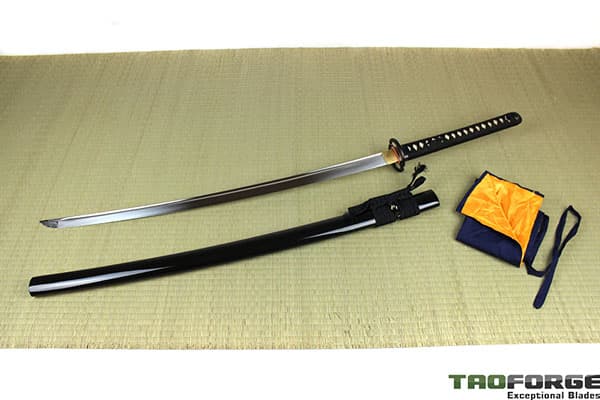
Miyamoto Musashi Katana BoHi
320,00 €
Denix
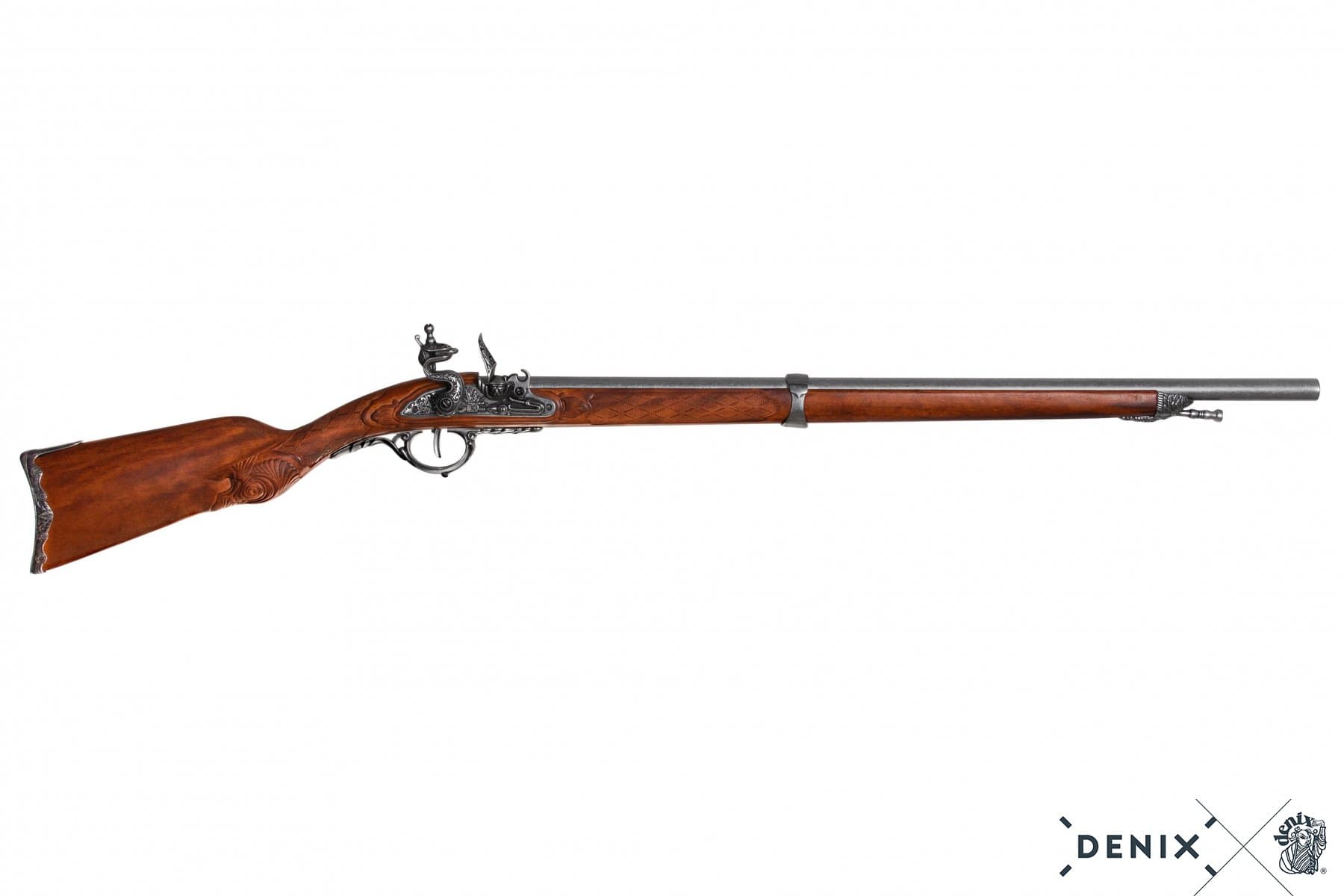
Rifle Napoleon gray, France 1807
184,90 €
 In Stock
Denix
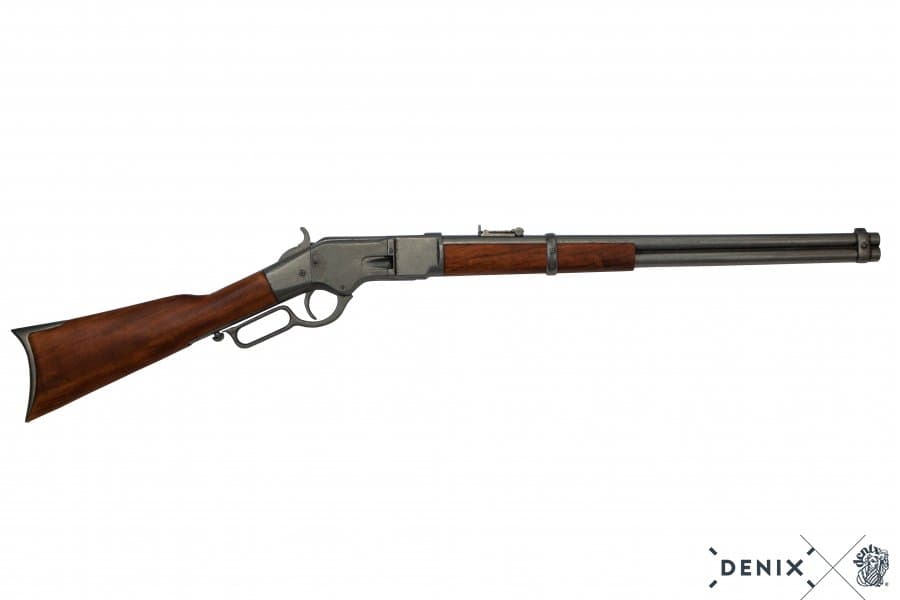
Winchester grau U.S.A. ca.1866
259,00 €
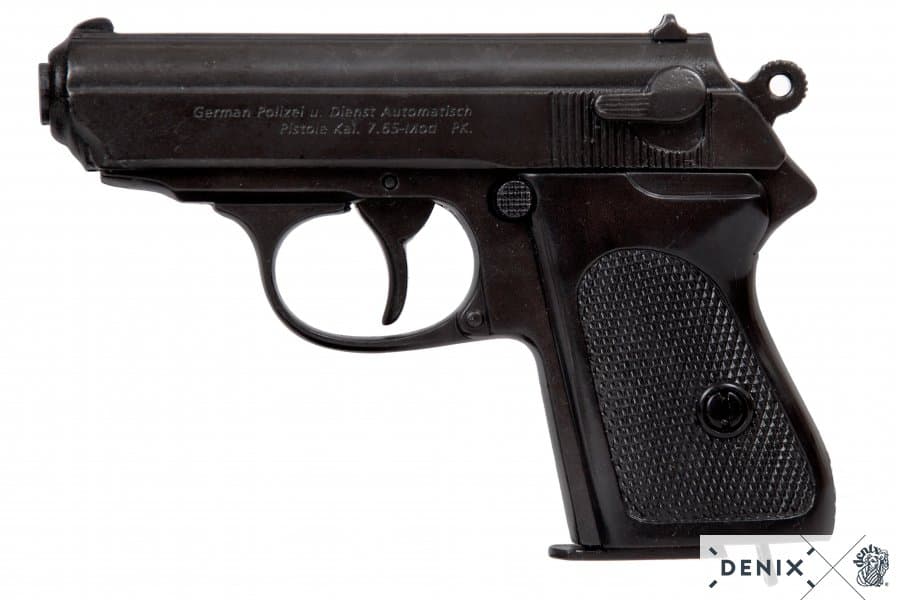
Denix
German semiautomatic pistol
129,00 €
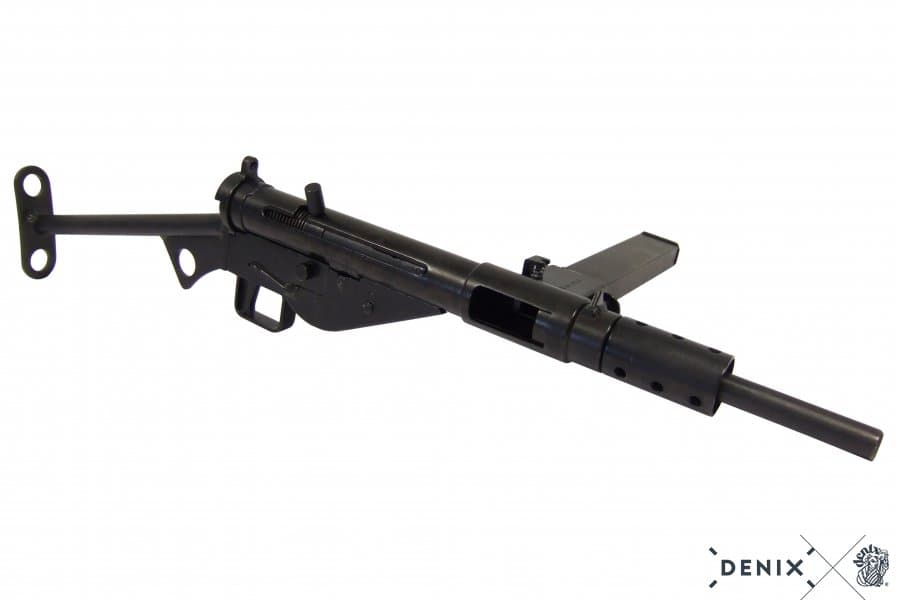 In Stock
Denix
Sten Mark II, 9 mm, machine gun, England, 2nd World War, 1940
209,00 €
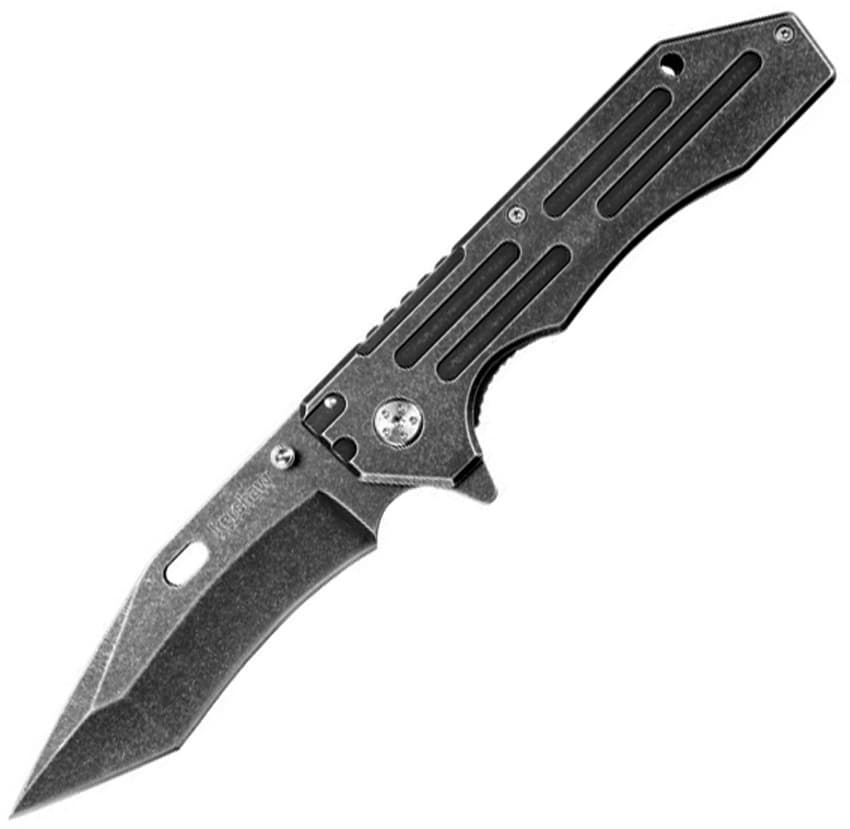 18+
18+Kershaw
Lifter
32,91 €
 In Stock18+
Swords and more
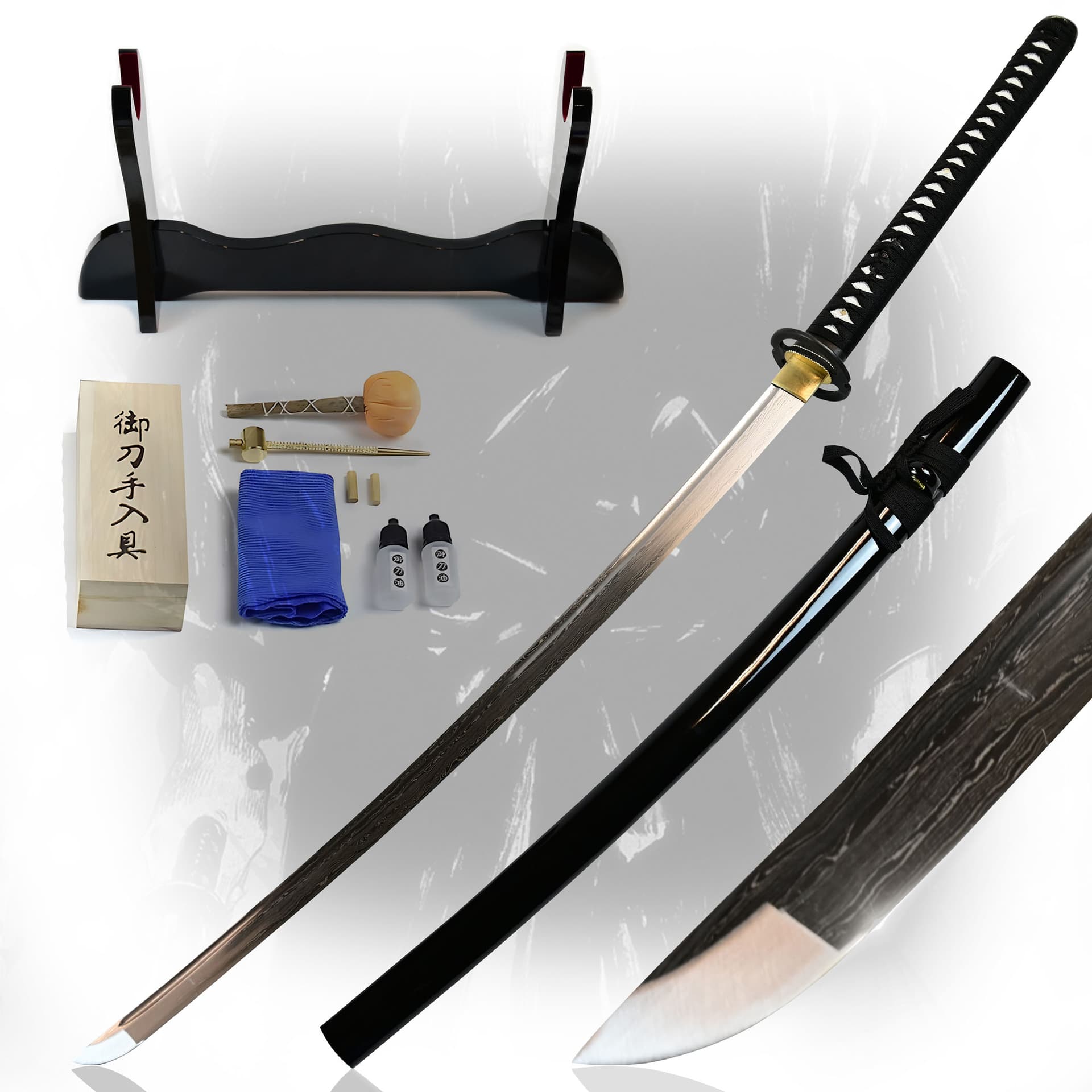
Miyamoto Musashi Katana, handforged and folded, Set
229,00 €
 In Stock18+
Swords and more
Nodachi sword - handforged & folded, Set - Blood Damascus Edition
299,00 €