
The Medieval Knight

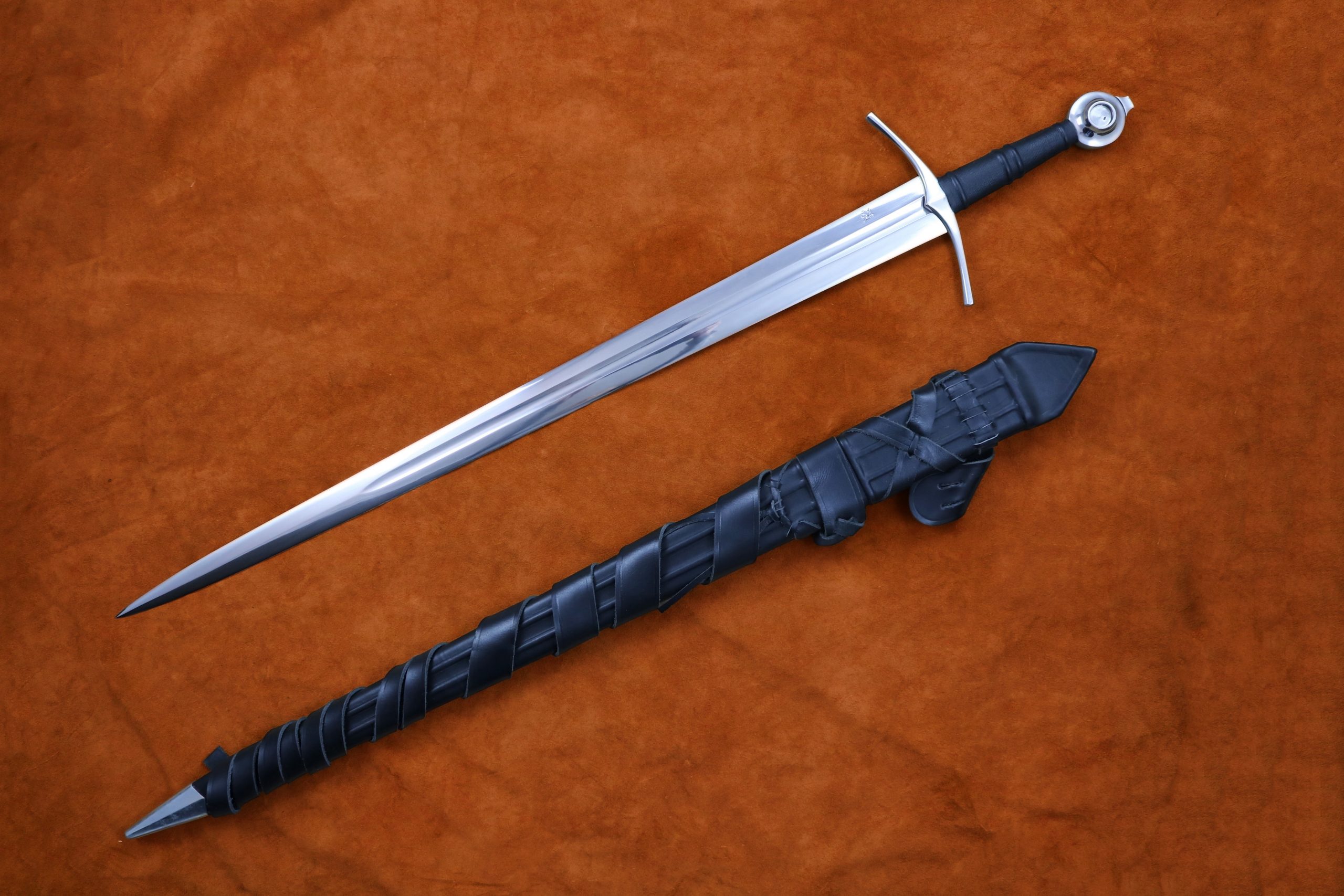
€1,037.00*
Item is in field warehouse, long distance shipping.
ATTENTION: Proof of age required!
No sale to persons under 18 years!
Knights, knighthood, and the medieval concept of chivalry have been a source of romantic and martial fascination for centuries. From classical literature to Hollywood films and television, knights have been frequent characters of note, capturing generations of imagination. While the fictional versions of these historical figures have departed somewhat from reality (as do all historically-inspired characters), the truth behind the fiction is still fascinating – and in some ways, worthy of the legends it inspired.
Knighthood, as a vocation, was a natural product of the feudal system. As feudalism – a system in which vassals or serfs worked land owned by others in exchange for homes, protection, and a percentage of the crops they grew – developed in post-9th century Europe, the roles taken on by the landowners developed as well. Nobles and feudal landowners became increasingly entrenched as generational rulers as land, title, and office were passed from parent to child. As a result networks of these noble families developed elaborate systems of honor, fidelity, and privilege, including access to the best horses, armor, and weapons. The system that evolved to train youth nobles to fight astride horse, rule his lesser men, and bind them to the noble virtues to which he was born became as the years went on the overlapping rules of knighthood and chivalry. The very word “chivalry,” in fact, comes from the same Latin root as “cavalry” – which makes sense given the mounted knight being the main focus of the chivalric code.
Originating in Germany, the knighthood ceremony spread across Europe and was quickly adopted by the church as a means of educating and influencing those nobles born to a life of wealth and privilege. The ceremony often began after years of being a squire to a landed knight, learning the virtues and the practical skills of a knight. The candidate was given a ritual bath, clothed in a white tunic (to remind him of his purity) and a scarlet robe (to remind him of his duty to shed his blood for the Church), and instructed to fast for 24 hours. Laying his sword and armor upon the alter, he would spend the night in the church in prayer, after which the priest would lead him in Mass. Laying the knight’s bared sword blade on the church alter the priest blessed it, took the knight’s vows, and girded the sword about him before he departed the church. For the sword was the knight’s most treasured possession, a symbol of his honor.
Early medieval sword combat was primarily oriented around cutting with a double-edged sword; however, as full plated armor was developed as complex defensive wear for the aristocratic military elite, swords too had to be improved to counter this ever evolving defense. Unlike the sluggish and belated fighting that characterize modern misconceptions of medieval combat, the Medieval Knight sword was a well balanced and deadly weapon innate with exceptional handling characteristics. While the impressive cutting abilities alone made this sword a deadly weapon in its own right, the deep-seated taper allows the user to deliver assertive thrusts as well, making this an incredibly versatile weapon.
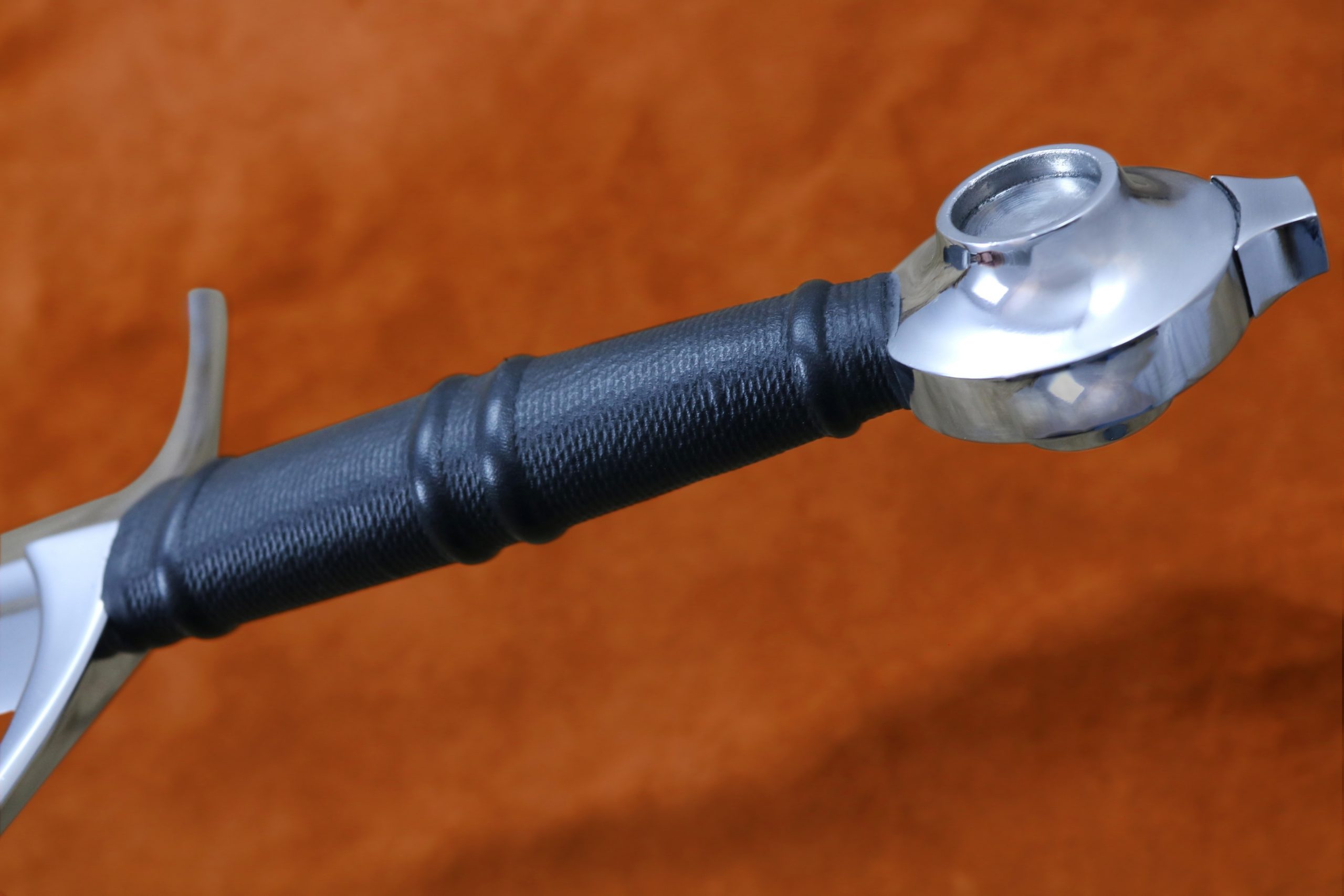
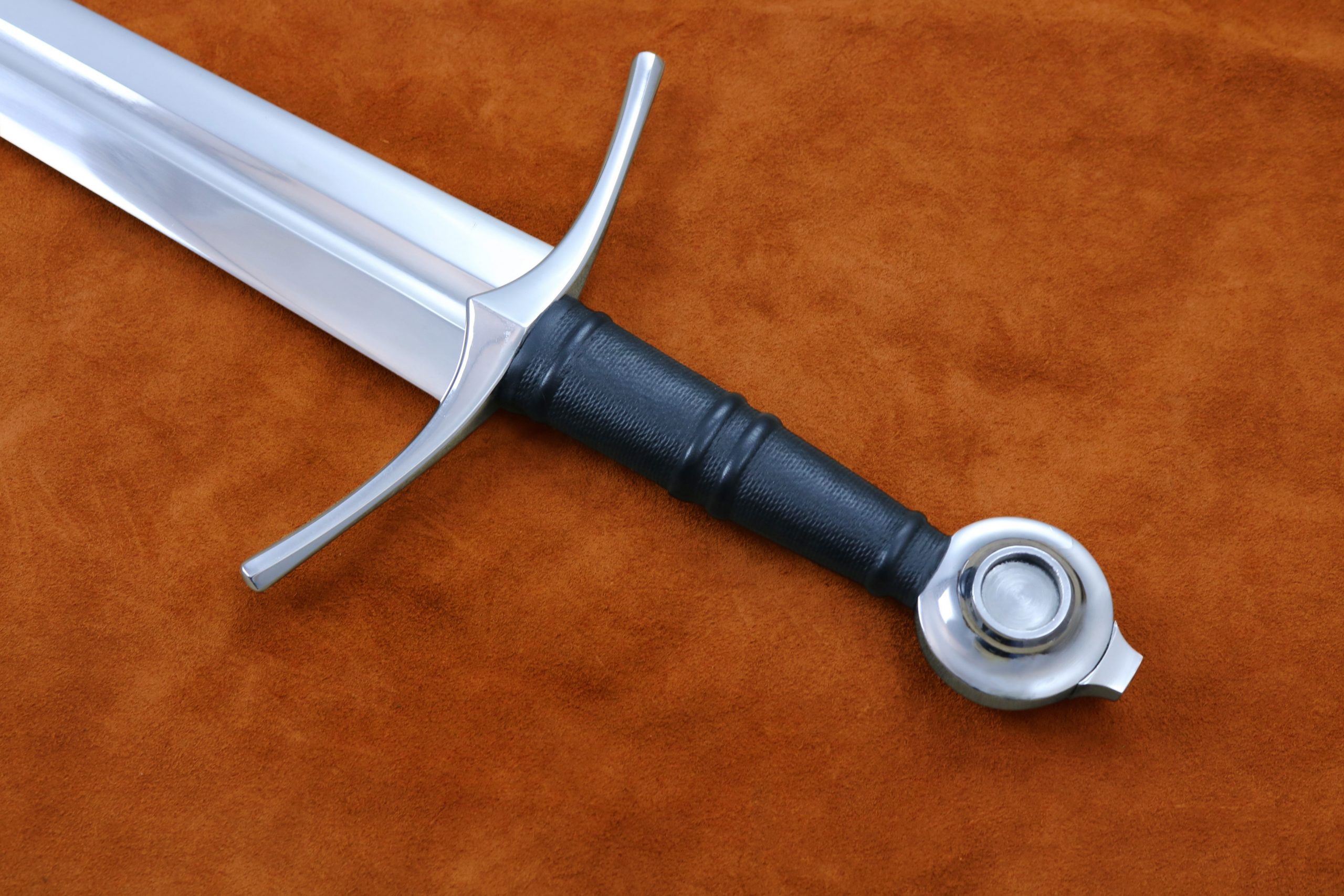
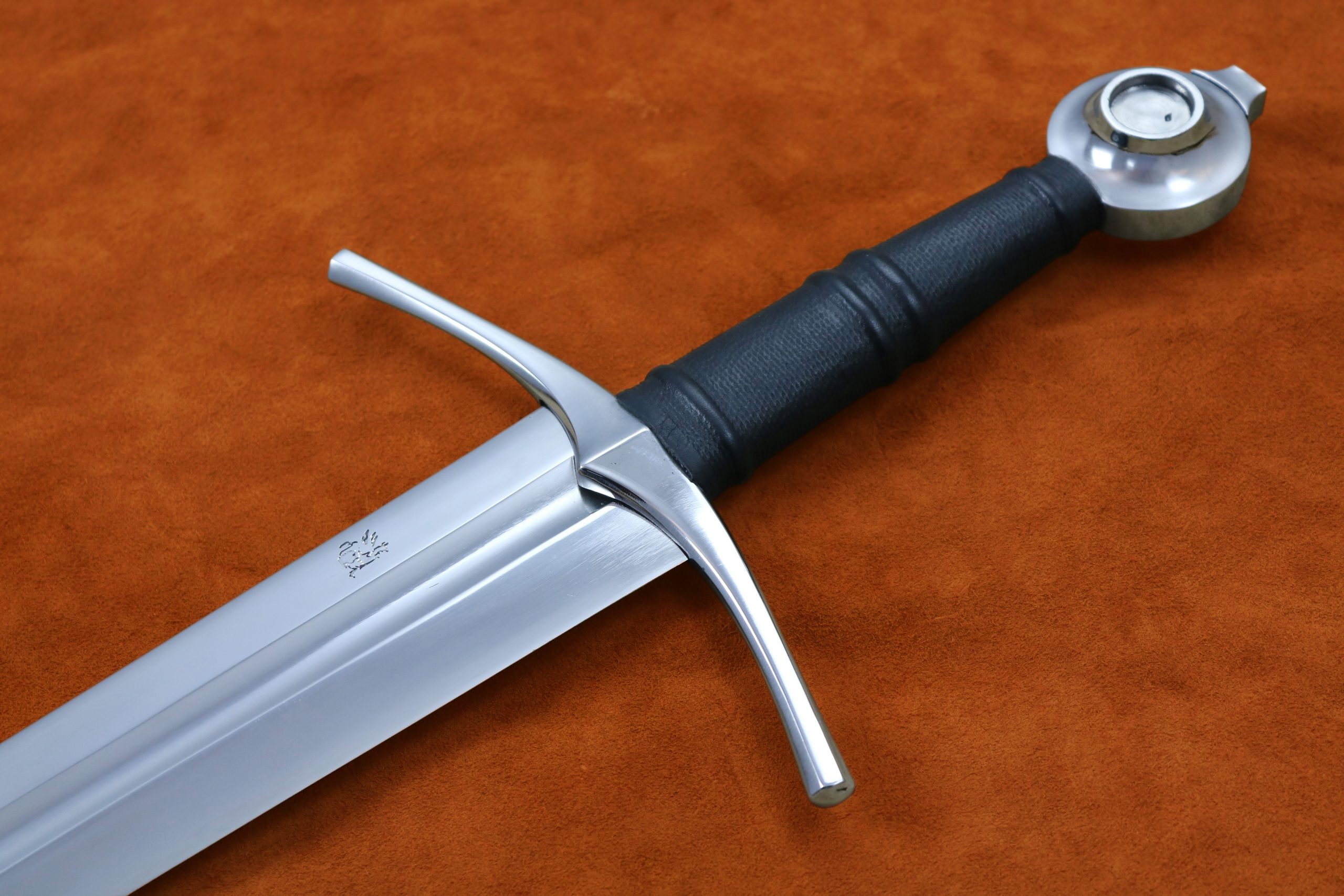
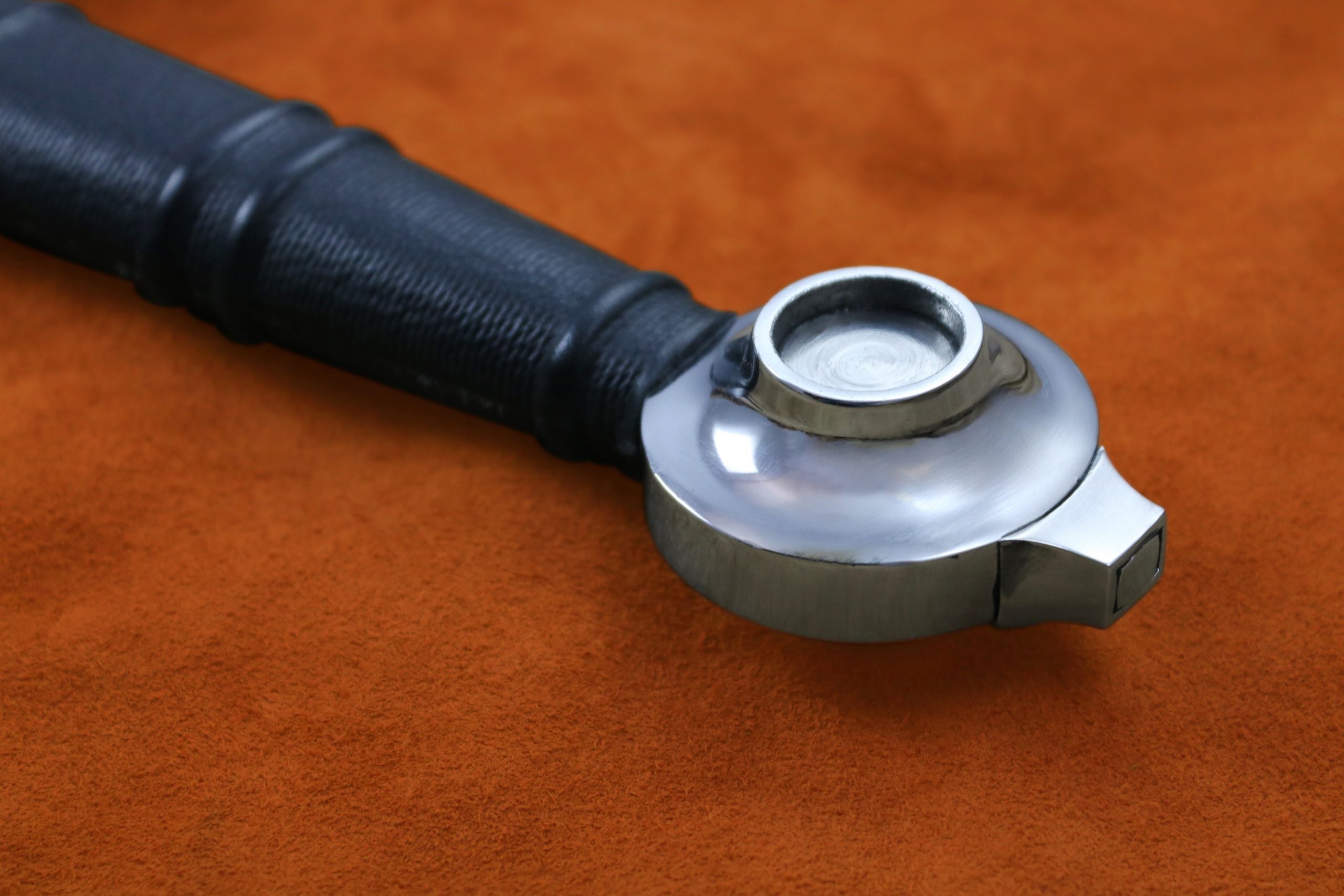
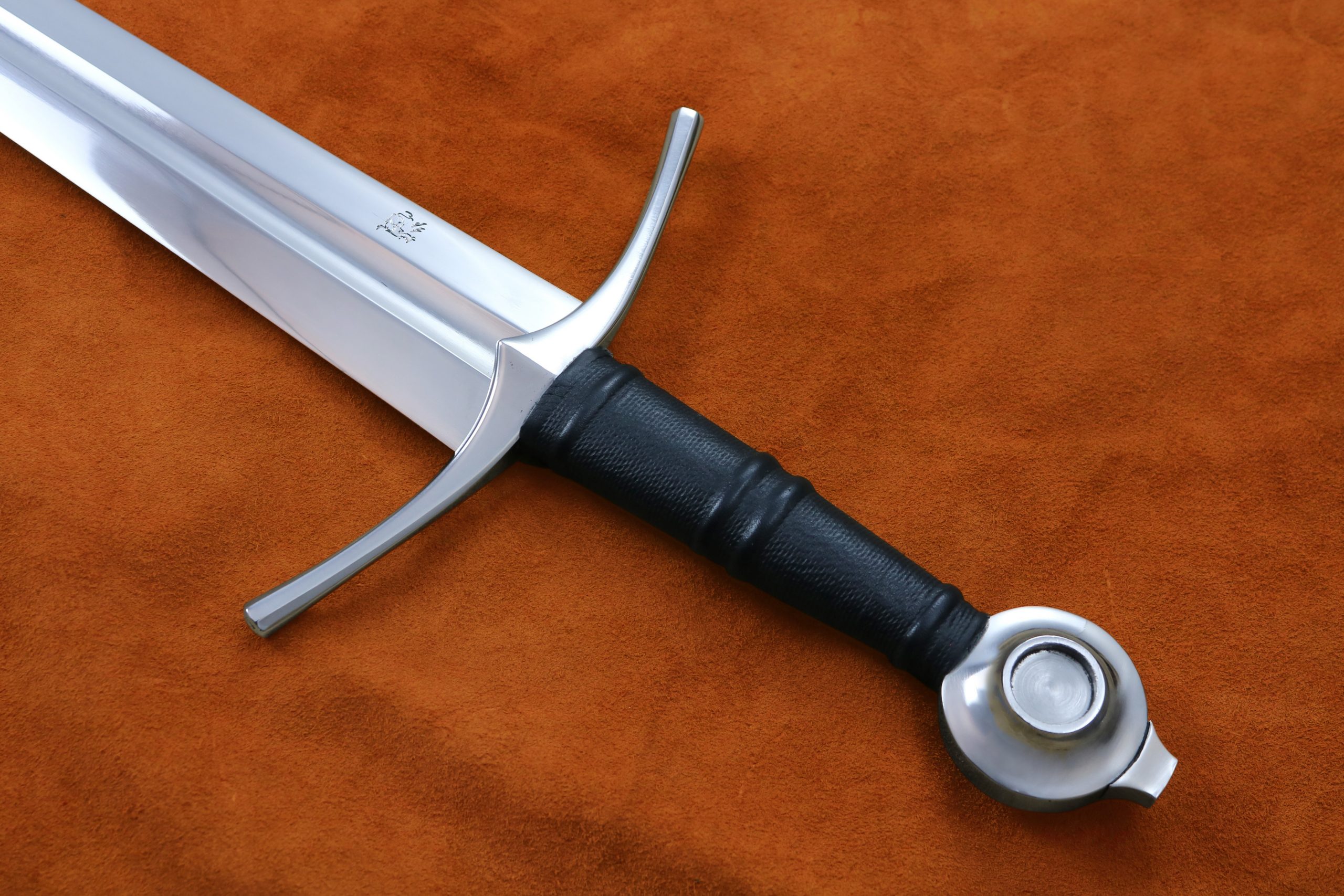
The Medieval Knight sword reflects the design and taste of the late medieval period. The double-edged blade is constructed from 5160 steel, has a deep, narrow fuller, and a robust tang. The detailed handle and clean fluid artistic lines of the curved guard indicates the early artistic influences, eventually explored during the Gothic period. This battle ready sword is quick, responsive and allows exceptional mobility in close quarter combat.
Historical knights may not have always lived up to the ideals of chivalry; indeed, it is certain that many did not. Knighthood became for these men simply a symbol of their privilege, and a justification for their actions. Nevertheless, we at Darksword Armory attempt to keep the ideals of chivalry alive in our hearts and work. This sword is our attempt to replicate the best that knighthood could represent – we hope it will be a symbol of truth and virtue in your home.
Blade: 5160 High Carbon Steel. Dual Tempered HRc 60
48-50 at the core
Total length: 39.5″
Blade length: 32″
Blade width at base: 2″
Weight: 3 lbs 2 oz
Please note:
The sword will be delivered only with the scabbard, the "matching belt" is not included but can be ordered for an extra charge.
Login
September 21, 2014 19:47
1A Preis-Leistungsverhältnis. Ist gut Ausbalanciert und gut Verarbeit. Nur zu Empfehlen!
March 20, 2014 21:37
Habe das Schwert vor ca. 3 Wochen bestellt, heute angekommen und ich kann hier nur ein klares Kaufargument aussprechen. Das Schwert liegt sehr gut in der Hand, kommt einem historischen in der Klasse was Gewicht und Führung betrifft, sehr nahe. Bin sehr zufrieden und ein Lob and das Team von Swords and More! P. Stern
November 19, 2013 16:56
Ich hatte ein Norman bestellt und geliefert wurde eines mit Norman-Parierstange und der Oakeshott XIV Klinge des Medieval Knight. 6 Punkte!!! Gut verarbeitet, stabil, sehr agil ... und wirklich schön. Die Klinge ist etwas kürzer als bei anderen Schwertern, 70 cm. Meine andere gerade Parierstange (Kreuz) mit Einkerbung außen gefällt mir besser als die hier abgebildete, auch wenn die leicht gebogene wohl historisch richtiger ist. Die Scheide mit den Lederbändern ist Geschmackssache, der Halt des Schwerts könnte besser sein.
June 19, 2008 16:14
Dieses Schwert ist einsame spitze. Für diesen Preis bekommt man einfach nix besseres. Wer mir nicht glaubt, kann sich ja mal die Testberichte im Internet anschauen. Da wird mit der Klinge schon mal auf einen Baum eingedroschen oder ein Stahleimer wird gespalten, ohne das diese nennenswerte Scharten oder Kinken aufweist...kanadische Wertarbeit eben!!! Zudem bin ich froh, endlich mal keinen "China"-Stahl (soll keine Beleidigung sein) in dieser Preisklasse zu bekommen. Mir pesönlich gefällt das schlichte Design besonders gut, da ich eher weniger Wert auf Prunk, als auf Funktionalität lege. Die am häufigsten nachzulesende Kritik besteht in diesem Zusammenhang bei bei der Schwertscheide. Sie steht sicherlich der Schlichtheit dieses Schwertes in nichts nach und ich kann mich der Kritik im Bezug auf die Verarbeitung ehrlich gesagt NICHT anschließen. Okay, der Lederbezug ist an der Öffnung verleimt worden, allerdings sieht man das nicht, da das Leder darüber liegt. Alles passt, nix wackelt und die Verarbeitung insgesamt ist einfach stimmig. Die Klinge weist keinerlei Macken oder Fehler auf und sitzt absolut fest. Dieses Schwert ist eine Bereicherung für jeden Sammler, der nach einem günstigen und dennoch enorm robusten Schwert sucht. Danke noch mal an swords-and-more für den tollen Service, den kleinen Rabatt ;) und äußerst zuverlässige Lieferung. Ihr seid klasse!!!
Manufacturerinformation (GPSR)
Swords and more GmbH
Liebigstrasse 2-20
22113 Hamburg
Deutschland
0049 40 36164963
info@swords-and-more.com